Interview Feature: Pasha Kat Yuen, Founder of Rasananda Ayurveda
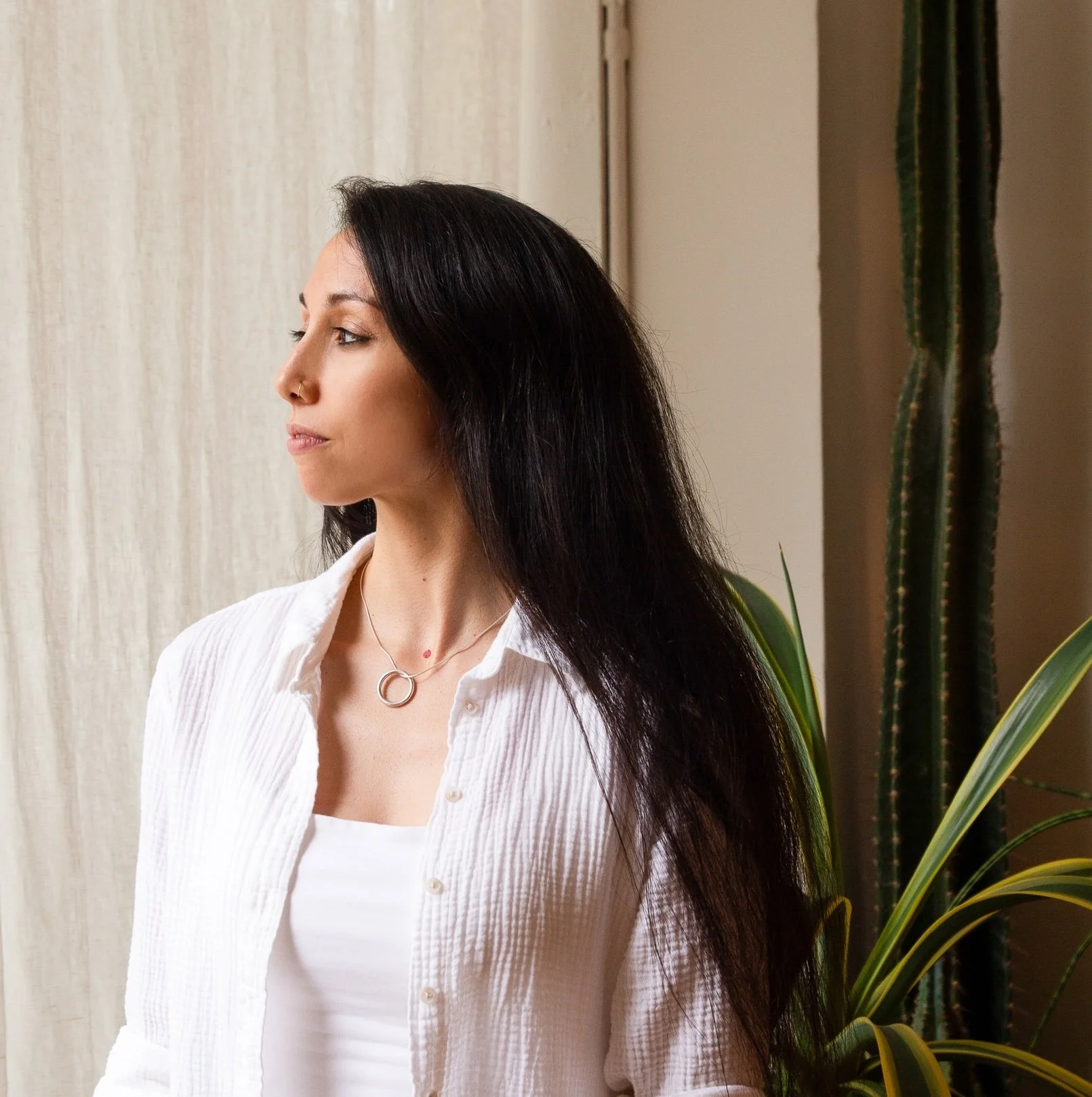
There’s a quiet but powerful shift happening as more people seek wellness practices that feel both rooted and real—something deeper than trends, yet adaptable to everyday life. At the heart of this conversation is Rasananda, where healing isn’t just functional, but enjoyable, sensory, and lived. In this conversation, founder Pasha shares how that philosophy shapes everything from flavor-forward herbal infusions to the deeper commitment required to truly live Ayurveda—not just sample it. What unfolds is a perspective that challenges modern habits of convenience and fragmentation, inviting us back into rhythm, consistency, and a more meaningful relationship with the practices that sustain us.
Rasananda generally translates to “the bliss of essence.” How does that philosophy show up in the way you practice and teach practice Ayurveda through your brand?
Pasha: Sanskrit is a beautiful and complex language where one word can have up to thirty-five different meanings, depending on the context of how it's used. Rasa is a Sanskrit word that can mean “nectar,” “essence,” “taste,” “delight,” “charm” or “sentiment” and ānanda can mean “bliss,” “happiness,” “joy,” & “pleasure.” Usually, we translate rasānanda as "blissful nectars" since our foundations began with flavor-forward medicinal herbal infusions for your daily warm beverage rituals and silky body oils. On the other hand, it can also mean happy soup! We have found that grinding the Three Spices and using it as a seasoning in winter soups and stews confirms that particular translation. Our mission is to create enjoyable experiences and daily rituals with traditional medicinal substances that are accessible. Not all medicines taste great, and not all daily drinks and body care products are delicious, good for us or enjoyable to use. By marrying the function of traditional medicinals, the results of pure ingredients in proper proportion, the final form being a pleasure to use, and keeping the formulas approachable, we've found the essence and happiness of practicing and sharing traditional southeast Asian medicine as a modern brand.
Ayurveda is often described as both ancient and timeless. In a modern world driven by speed and productivity, what do you feel Ayurveda is most urgently here to remind us of?
Pasha: Ayurveda is the Science of Life -- ancient in its roots which have been preserved and protected through unbroken lineages and preservation of texts and timeless in its results which remain steadfast through the changing times and modernizing societies. The roots of Ayurveda go back even further, before the modern Indian subcontinent and development of the term "Ayurveda." What we see in modern culture today is just a drop of the ocean of Ayurveda and traditional medicine which comes from a complete science and medical practice that has kept people alive and thriving... it is a treasure to keep unblemished by modernizing it to fit the current era. Ayurveda is still present, sought after and practiced despite being over 2500 years old because of its efficacy. Traditional medicine systems help people live better, address sickness and be rejuvenated by nature, medicinal substances and lifestyle choices as we all encounter aging, illness and the steady decline of our bodies at the end of life. We need real medicine, real practices and real results in a modern society that is constantly shifting trends, and applying quick fixes to symptoms rather than finding the root causes of what is imbalanced. The origins of this medicine and lifestyle traveled across Asia with Buddhist monks, spreading and evolving into the local traditional medical theories of places like Thailand, Tibet, and what became India. It's not a practice that is innovative or ground breaking, but something that is true and cherished across the world and we urgently need the richness and results Ayurveda offers when we are so disconnected from reality.
Many people encounter Ayurveda through food or herbs first. How do you guide someone from “doing Ayurveda” to truly living it?
Pasha: Yoga, consultations and retreats for Ayurveda have spread the use and practice of this medicine, but simply going to yoga, getting a body treatment or drinking an infusion is just that. My mentor says, if you're going to go to a doctor, you should listen to and trust that doctor and follow the instructions carefully. If we are to rely on Ayurveda and wish to see the results of the medicine in full, we should follow the lifestyle recommendations for sleep, diet and exercise, take the herbs and medicines our Ayurveda practitioner recommends as directed, and quit going to the acupuncturist, taking western herbs, wean off our prescriptions (if we are able to and supported by our medical team to do so) and let that one system work throughout every area of our life. This can include mindfulness practices and shifting our world view, too. Not everyone is ready for that, but if one commits to a tradition thoroughly, we can see the effects truly bloom in our life because we have followed through and know through our own experience what changed, how much better we feel, and the effects of the protocols, practices and recommendations clearly. Picking and choosing from all different traditions and modern options and blending what we like or what we feel good about is not a tried and tested way to reach the results we are looking for -- in fact it's a path towards the opposite because we don't know the long term results or interactions of all of these different ingredients, food combinations, medicines, supplements, practices, etc. Choice, convenience and following our desires has resulted in a hodgepodge of things that creates chaos in our minds and bodies where we don't actually know what is an effector of change. To truly live in, adopt and embody a tradition -- whether it is Ayurveda, TCM, or Thai traditional medicine, one has to focus on that alone and let everything else fall away.
Rasananda feels deeply rooted yet accessible. How do you balance honoring traditional wisdom while making it approachable for modern, often overwhelmed people?
Pasha: For most people, they are more willing to purchase a product for its value in their everyday life: how it makes them feel when they use it, if it solves a problem, or if their life is easier or better somehow because of it. With all the Rasananda products, I wanted the products to be clear from their names what they were and what they provide, and when I speak to customers I emphasize how or when I use it, or the results my clients get from it. We introduced herbal infusions first, since herbal tea is quite recognizable and easy to incorporate into one's daily life. As we grow, more traditional formulas and methods of consuming herbs are being introduced which is very exciting, and will require some education for our customers-- however, the beneficial effects are the driving force for any product that we make.
Results are something anyone can understand, so rather than discussing the tridoshic balance of the oils which make the body oil so medicinal or the power of blending multiple nervines in a daily tea for mental clarity to help with ADHD and nerve pain (which I am very happy to discuss for anyone interested in those kinds of details) I tried to put everything into the names of our shop products.
Warming Muscle Balm? Doesn't need explanation. Some of the products are a bit more complex than can be named in one or two words, so I say, "the Kidney Infusion is what I reach for when I feel really thirsty or if I want to support the filtration in my body if I've been taking a lot of medicines." or "The Trauma Liniment is for bumps, bruises, sprains and strains." The beauty of traditional medicine is that the selling point isn't in the internal mechanism of the microscopic ingredients with names you cannot pronounce, like many modern products which emphasize their proprietary blend of the essential botanical composition of something you may or may not recognize that's been recreated in a lab. Traditional medicine is about the innate properties of herbs that work together when properly formulated by doctors who know the herbs, understand disease and diagnosis, as well as when and how to apply the treatments to bring balance to the body in accordance with season, age, and other factors which affect dis-ease.
There is a lot of complex theory which I have yet to learn and master, but when it comes to offering daily relief for every body and accessible medicines for daily modern life... Rasananda is happy to deliver. I follow the recipes and preparation methods to create these products from raw ingredients and have relied on word of mouth to let the products speak for themselves -- and it's working to help all kinds of people who come into contact with rasananda products.
From your perspective, what shifts—physically, emotionally, or spiritually—do you see when someone begins to align with their constitution and natural rhythms through Ayurveda?
Pasha: Every person's journey is different, but after over a decade in the wellness industry working one on one with clients through all kinds of medical, physical, mental and emotional experiences I have noticed a few things. Getting in sync with traditional medicine's recommended daily rhythms, dietary choices and methods for addressing imbalance in the mind and body naturally produce awareness for oneself and the suffering of others going through similar things. The conscious engagement and holistic shifts in what one puts into their mind and body, spends their money on, and how they spend their time make the real changes over time that bring us benefit and longevity.
When we can step out of the constructed digital world that is served to us from every direction where choice and comfort is supreme and return to living within natural cycles, seasonal changes one might find that the mind softens and isn't quite so rigid on good vs. bad, right vs. wrong. One's body gives subtle cues long before it starts screaming with symptoms. Things which taste good might not digest well, or even could be making us sick. And of course, our hearts, minds and spirits are so easily affected by what we see, taste, smell and touch.
One cannot escape modern society by aligning one's natural rhythms and addressing their constitutional imbalances. Discovering and identifying with one's "dosha" (which means something that causes offense-- not one's natural constitution) also won't "fix" things. However, mindful maintenance of our health and being adaptable to our changing needs comes a bit more easily when we rely on a tradition that's already figured it all out for us.
Rasananda Ayurveda ships nationwide from upstate New York, and provides wholesale options to stockists who wish to carry our line. We source organic herbs from well known providers in
the United States and certain specialty ingredients from Asia and around the world. We value fair-trade business, sustainable farms and growers. Our products are made in small batches to ensure freshness and longevity when it arrives on your doorstep. Our herbal medicinals are strong enough to provide noticeable effects and safe enough to use every day.